Why AI Interviews Are Changing How We Hire (And What That Really Means)

Ben Asfaha
CEO, PipeLaunch
AI recruiting just got a $2B endorsement, here's why everyone's watching this space.
Let's be honest, hiring is tough. You're trying to find the right person fast, but you also want to be fair and thorough. It's like trying to solve a puzzle while someone's timing you. That's exactly why so many recruiters are turning to AI-powered video interviews, and honestly? It's pretty game-changing.
And clearly, the world is paying attention. Just last week, Mercor, an AI recruiting startup founded by 21-year-olds, raised $100 million at a $2 billion valuation (source). That’s not just hype, it’s proof that AI-powered hiring isn’t a trend, it’s the future.
That’s exactly why so many recruiters are turning to AI video interviews, and honestly? It’s pretty game-changing.
So What's All This AI Video Interview Stuff About?
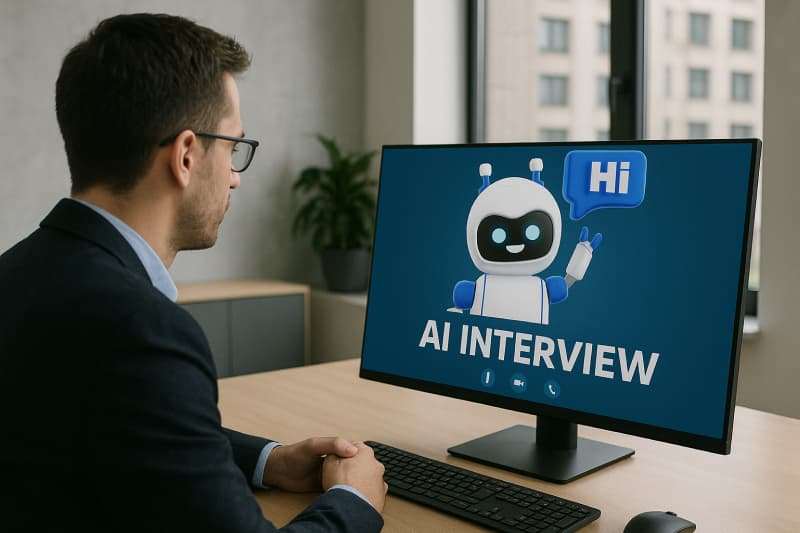
Think of it like this: instead of spending your entire Tuesday on back-to-back screening calls, candidates record their responses to your questions on their own time. Meanwhile, AI is working in the background, picking up on things you might miss when you're juggling fifteen different conversations.
It's not about robots taking over, it's about having a really smart assistant that never gets tired and doesn't unconsciously favor candidates who remind them of their college roommate.
Why Recruiters Are Actually Loving This
You'll get your time back. Seriously. Instead of spending hours on initial screenings, you can review multiple candidate videos while drinking your morning coffee. Candidates record when it works for them, you review when it works for you, everyone wins.
It's fairer than you think. When everyone gets asked the same questions in the same way, it's harder for unconscious bias to creep in. Though let's be real, it's not magic. You still need to be thoughtful about how you use these tools.
Geography becomes irrelevant. That amazing candidate in Portland? No problem. The perfect fit who's currently in London? Easy. You're not limited by who can make it to your office on a Tuesday afternoon.
Candidates actually like it. I know, I know, it sounds impersonal. But think about it from their perspective. No awkward scheduling back-and-forth, no rushing from their current job for a "quick call," and they can actually think about their answers instead of stumbling through them live.
The data actually helps. The AI picks up on patterns in communication style, confidence level, and how well someone's actual experience matches what's on their resume. It's like having a really observant colleague sitting in on every interview.
What's the AI Actually Looking For?
Different platforms focus on different things, but most are analyzing:
- How clearly someone communicates (not judging accents, but looking at structure and confidence)
- Whether their spoken experience matches their resume
- How they use relevant keywords and industry terms
- Behavioral cues that align with what you're looking for in the role
Some platforms also do facial analysis, but honestly, that's where things get controversial and for good reason.
The Tools Everyone's Talking About
HireVue is the big name everyone knows, great for large companies with complex needs, but it can feel a bit overwhelming if you're not used to enterprise software.
Vinton works great if your team lives in Salesforce and you're tired of scrambling to remember what candidates said. It sits in on your interviews, whether you're recording or going live and actually pays attention, taking notes and dumping everything straight into your CRM. No more "wait, what did they say about that project?" moments.
Quil is like having an AI recruiter assistant on every call. It transcribes video or phone interviews, auto-generates candidate summaries, and updates your ATS with submittals and notes, no copy-pasting required. Perfect for agencies that want to focus more on people and less on paperwork.
Spark Hire is popular with recruiting agencies because it's straightforward and lets teams collaborate easily on candidate reviews.
Sapia.ai focuses heavily on reducing bias, which is refreshing if you're concerned about fairness (and you should be).
myInterview works well for smaller companies, it's not trying to do everything, but what it does, it does well.
Modern Hire is built for when you're hiring a lot of people quickly, think retail chains or call centers.
Let's Talk About the Elephant in the Room
Yes, there are problems with AI assessment tools. Some are concerning, others are just growing pains, but they're all worth discussing.
The biggest worry? These systems can be biased in ways that aren't immediately obvious. Maybe they favor certain accents or speaking patterns. Maybe they're trained on data that doesn't represent your actual candidate pool.
There's also the transparency issue if an AI system rejects a candidate, can you explain why in a way that makes sense to a human being?
And then there's the authenticity problem. Teach First in the UK actually stopped using AI interviews recently because too many candidates were using AI to generate their responses. It became an arms race between AI systems, which kind of defeats the purpose.
How to Not Mess This Up
If you're going to use these tools (and there are good reasons to), here's how to do it responsibly:
Be upfront about it. Tell candidates when AI is involved and roughly how it works. Nobody likes feeling like they're being secretly analyzed.
Don't make it the only option. Some people just don't do well with video, and that's okay. Have alternatives available.
Actually test for bias. Choose vendors who can show you they've thought about fairness, not just efficiency.
Skip the facial recognition stuff. Focus on what people say and how they say it, not what they look like.
Remember that AI is your assistant, not your replacement. The final decision should always involve human judgment.
The Bottom Line
AI video interviews aren't perfect, but they're solving real problems that recruiters face every day. When you use them thoughtfully, they can help you hire faster, reach better candidates, and make more consistent decisions.
The key word there is "thoughtfully." These tools work best when they're amplifying human insight, not replacing it. Your job isn't going anywhere, you're just getting better tools to do it with.
And honestly? In a world where good candidates have lots of options, anything that makes your hiring process faster and more flexible is probably worth considering. Just make sure you're using it to become more human in your hiring, not less.
Ready to see how PipeLaunch can help you in Recruitment?
Book a demo now and see how we can empower your recruitment workflow.
Ben Asfaha
CEO, PipeLaunch